
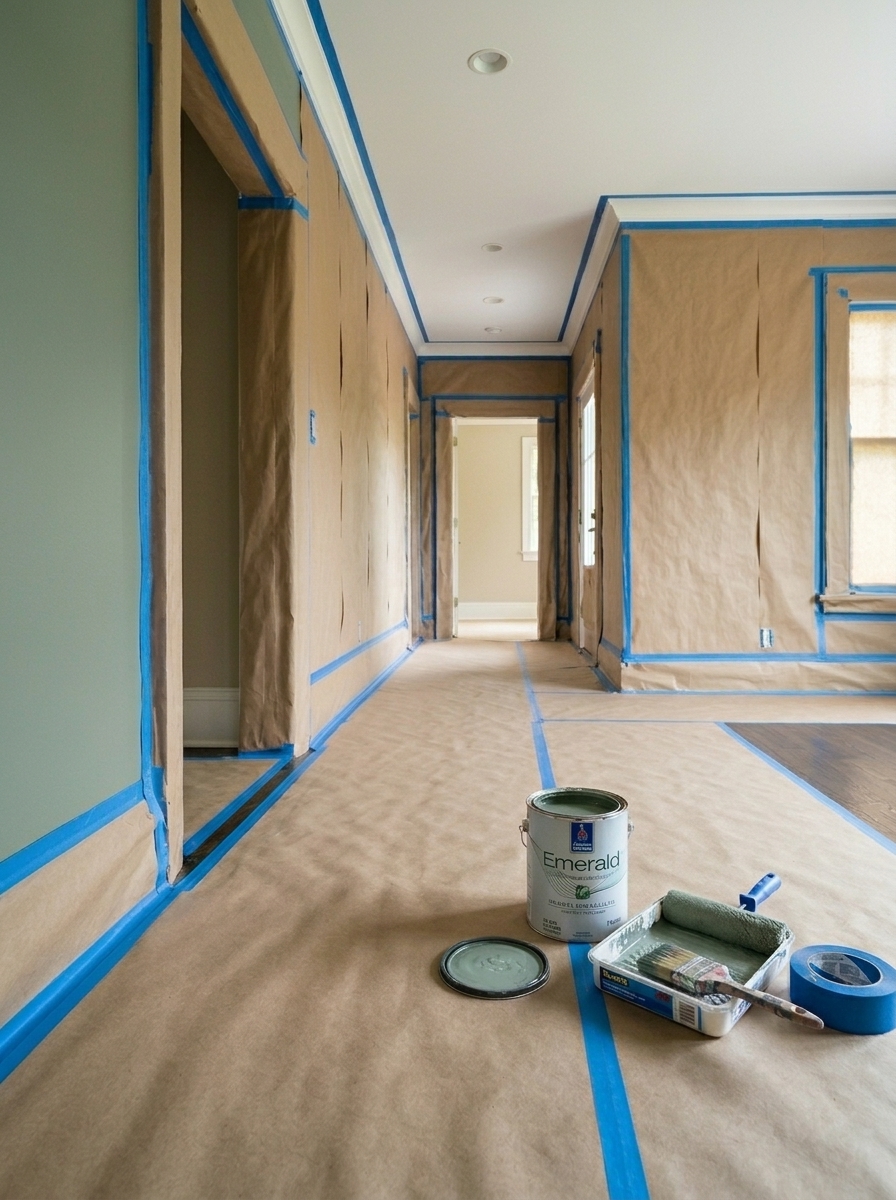
15 Nov How to Plan a Painting Project in an Occupied Apartment Community
Painting an apartment community while residents are still living there takes more planning than an ordinary painting project.
Unlike a vacant property, work cannot simply begin wherever it is convenient. Residents still need access to their homes, parking areas, walkways, and shared spaces. Property managers also have daily responsibilities to handle while the work is underway.
A successful project depends on more than the quality of the paint. It comes down to how well the work is organized, communicated, and coordinated.
Here are several things property managers should consider before starting a painting project in an occupied apartment community.
1. Start With a Detailed Painting Walkthrough
Before setting a schedule or approving a final scope, walk the property with your painting contractor.
Look at the areas that need attention, but also consider how residents use those spaces every day.
For an exterior project, this may include:
- Building siding and trim
- Stairways, railings, and breezeways
- Entryways and common areas
- Fences, gates, and shared structures
- Areas with peeling, fading, or damaged paint
For interior work, consider hallways, offices, common rooms, laundry rooms, and other shared spaces.
A walkthrough also helps identify access limitations, surface damage, and areas that may require additional preparation or repairs.
A useful tip: Don’t evaluate the project based on appearance alone. Peeling paint, damaged caulking, and deteriorating wood may indicate preparation or repair work that should be addressed before painting begins.
2. Divide the Painting Project Into Manageable Phases
One of the biggest mistakes in an occupied community is trying to complete too many areas at once.
Instead, ask your contractor whether the work can be divided into manageable phases.
For example, an apartment community might be organized by:
- Building or building section
- Floor or hallway
- Individual stairwells
- Common areas
- Parking or exterior sections
This approach helps limit disruption and makes it easier to communicate which areas will be affected.
It also gives property managers a clearer picture of project progress. Rather than having crews working everywhere, you can track completed areas and prepare residents for the next phase.
The best schedule will depend on the size of the property, the scope of work, and the contractor’s crew capacity.
3. Communicate With Residents Before Painting Begins
Residents should not have to discover that their hallway, balcony, or building entrance is being painted when they walk outside.
Advance communication helps prevent confusion and unnecessary complaints.
Before work begins, property managers should coordinate with the contractor to establish:
- Which areas will be painted
- Expected start and completion dates
- Temporary access restrictions
- Parking or walkway changes
- Whether residents need to move personal belongings
- Who residents should contact with questions
For projects involving individual units or private balconies, communication becomes even more important. Residents may need specific instructions and advance notice before crews can enter or work near their spaces.
A simple notice with the affected areas, dates, and expected inconvenience can make a significant difference.
4. Plan Access, Parking, and Resident Safety
Painting crews need enough space to work safely and efficiently.
Depending on the project, this may involve ladders, lifts, scaffolding, pressure-washing equipment, paint materials, and other tools.
Before work starts, identify:
- Where crews can park and unload equipment
- Which entrances or walkways may be temporarily restricted
- Where materials and equipment can be stored
- How residents will safely access their buildings
- Whether vehicles need to be moved from work areas
Walkways, entrances, and emergency access routes should remain safe and accessible. If an area must be temporarily restricted, an alternative route should be communicated clearly.
This is especially important in communities with children, older residents, pets, and frequent foot traffic.
Good planning protects residents while allowing the painting crew to work without unnecessary interruptions.
5. Choose a Painting Schedule That Works for the Property
Not every property operates on the same schedule.
Some communities have heavier foot traffic during certain hours. Others have shared facilities, leasing offices, or common spaces that need to remain available throughout the day.
Discuss scheduling with your contractor before the project begins.
Consider:
- Resident activity and peak traffic hours
- Leasing office and maintenance operations
- Access to shared facilities
- Weather conditions for exterior painting
- Drying and curing time between applications
- Noise or equipment restrictions
For certain areas, evening or weekend work may be worth discussing. However, the schedule should be realistic for both the property and the painting crew.
Exterior painting also depends on suitable weather and surface conditions. Rain, temperature, humidity, and moisture can affect how coatings perform. Rushing the schedule to meet a deadline can create problems that are more expensive to correct later.
6. Make Sure Surface Preparation Is Part of the Plan
When coordinating an occupied property, it can be tempting to focus primarily on how quickly the painting can be completed.
But preparation should never become an afterthought.
Before applying new paint, surfaces may need scraping, sanding, cleaning, caulking, priming, or repairs. The required work depends on the condition and type of surface.
For example, painting over peeling exterior paint without properly addressing the failing coating may result in another paint failure.
A good contractor should explain what preparation is included in the proposal and identify any additional repairs that may be needed.
This matters because the goal should not simply be to make the property look better for a short time. The work should be completed with the appropriate preparation to support a longer-lasting result.
7. Establish Clear Responsibilities Before the Painting Project Starts
A painting project runs more smoothly when everyone understands their responsibilities.
Before work begins, property managers and contractors should agree on how they will handle:
- Resident notifications
- Site access and coordination
- Parking restrictions
- Daily work updates
- Unexpected surface repairs
- Weather-related schedule changes
- Final inspections and touch-ups
It is also helpful to identify one main point of contact for project communication.
When an unexpected issue comes up, the contractor should communicate what was discovered, why it matters, and whether it affects the original scope or price.
This prevents misunderstandings and gives property managers the information they need to make decisions.
8. Schedule a Final Painting Walkthrough
Once the painting work is complete, don’t skip the final walkthrough.
Review the completed areas with your contractor and compare the results against the agreed scope of work.
Look for:
- Consistent coverage and finish
- Missed areas or incomplete sections
- Drips, splatter, or accidental paint marks
- Proper cleanup and removal of equipment
- Completed repairs and agreed-upon touch-ups
If something needs attention, document it and agree on how it will be addressed.
A final walkthrough gives both parties an opportunity to confirm that the work has been completed as expected.
A Simple Painting Project Planning Checklist
Before approving the start of a painting project, property managers can use this checklist:
| Planning item | What to confirm |
| Property walkthrough | Areas, surfaces, and repairs identified |
| Project scope | Work and preparation clearly defined |
| Phased schedule | Buildings and work areas organized |
| Resident communication | Notices prepared and distributed |
| Access and safety | Parking, walkways, and entrances coordinated |
| Work schedule | Timing and weather considerations discussed |
| Project contact | Main communication person identified |
| Final walkthrough | Inspection and touch-ups planned |
Final Thoughts: Good Planning Makes Painting Easier for Everyone
Painting an occupied apartment community requires coordination between the property manager, painting contractor, and residents.
The work needs to be completed efficiently, but not at the expense of resident safety, communication, or proper preparation.
From our perspective as painting contractors, one of the most important parts of a project is understanding how a property operates before the work begins. Knowing where residents walk, how buildings are accessed, and which areas need to remain available helps us plan the work more effectively.
At Choose Your Color Painting LLC, we provide commercial and residential painting services throughout the Tri-Cities and surrounding Washington communities. We believe a well-organized painting project starts with understanding the property, defining the scope, and communicating clearly before the first coat is applied.
Planning a painting project for your apartment community? Let’s walk through the property, discuss your needs, and help you understand what the project will require.
Choose Your Color Painting LLC
📞 (509) 460-6745
🌐 chooseyourcolorpainting.com
No Comments